
Dental Implants Hilo, HI
The American College of Prosthodontists estimates that nearly 180 million Americans are missing at least one tooth, and roughly 40 million Americans are missing all of their teeth. Unfortunately, tooth loss is a common occurrence. However, with the right dental implants and crowns, you can restore your smile. Dr. Garret Uehara and Dr. Jill Uehara of Island Ohana Dental in Hilo, HI provide quality dental implants to replace missing teeth and help you regain proper oral function. Keep reading to learn more about dental implants or call our office today to schedule a consultation.
What Are Implants?
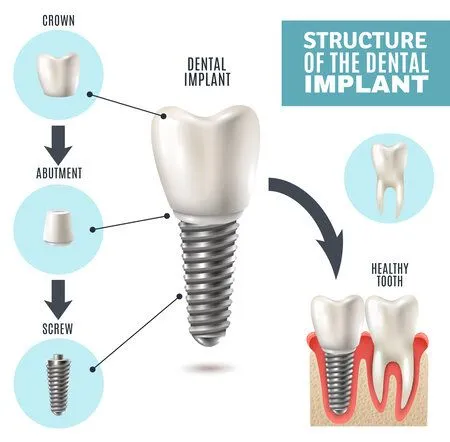
A dental implant is a small post that will act as a substitute for a tooth root. When a natural tooth is removed, there is typically a small, hollow space in the gums that are left empty. The dental implant will fill this space.
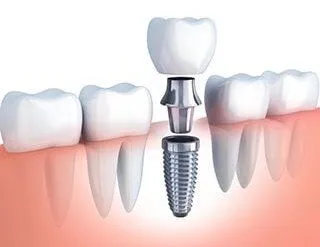
Typically, dental implants are made out of sturdy, resistant materials, such as titanium. Once the dental implant is in place, a connector is added on top of the implant.
Then a crown is placed on top. This crown is often made to resemble natural teeth. However, you can also use other materials, including metals.
Ultimately, a dental implant, plus a connector and crown, are pieced together to make an artificial tooth that can complete and restore your smile.
Why Are Dental Implants Used?
Dental implants are needed to keep your artificial teeth firmly in place. Dental implants are also typically made out of sturdy materials so that they can perform well year after year and during high-stress situations (such as eating).
Dental crowns and implants are favored for tooth replacement because together they can offer a natural look and feel. People you know have dental implants and crowns, but you may have never noticed them.
Furthermore, dental implants and crowns have been around for years and have improved over time. From a technological and scientific perspective, dental implants, connectors, and crowns have improved greatly. These days, they offer great value and exceptional durability.
How Long Do Dental Implants Last?
A study published by the U.S. National Library of Medicine National Institutes of Health found that roughly 90 to 95 percent of dental implants last at least ten years. With proper care, it’s possible that your dental implants will last your entire life.
By using high-quality materials, such as titanium, cosmetic dentists can help ensure that your implants last for a long time. That said, the crowns placed on top of your dental implants may need to be replaced every 10 to 15 years. Your choice of materials and dental hygiene habits may impact how long your crowns and implants last.
The Ideal Implant Candidate
While a thorough evaluation by our family dentist in Hilo, HI is essential to determine if a patient is a suitable candidate for dental implants, the ideal patient will have:
- Good General Health: Candidates should be in overall good health to undergo the surgical procedure required for dental implants. Certain medical conditions, such as uncontrolled diabetes, heart disease, or autoimmune disorders, might complicate the healing process and require special consideration.
- Sufficient Jawbone Density: Adequate jawbone density is crucial for the success of dental implants, as the implant posts need a solid foundation for osseointegration. Patients with significant bone loss may need bone grafting procedures before implants can be placed.
- Healthy Gums: Healthy gums are essential because periodontal disease can affect the stability and success of the implant. Candidates should have good oral hygiene and be free of active gum disease.
- Non-Smokers: Smoking can impair healing and increase the risk of implant failure. Non-smokers or those willing to quit smoking during the implant process are better candidates for successful implant integration.
- Commitment to Oral Hygiene: Candidates should be committed to maintaining excellent oral hygiene and regular dental visits to ensure the long-term success of their implants. Proper care and maintenance are vital to prevent infections and other complications.